Nutrition: Fueling Your Vitality
Understanding Macronutrients
Macronutrients are the building blocks of our diet, providing the energy our bodies need to function. They include carbohydrates, proteins, and fats. Each plays a unique and vital role in maintaining health and vitality. Here at Vitality Hub, located in the vibrant River North neighborhood of Chicago, we guide you through understanding the optimal balance of these nutrients tailored to your individual needs.
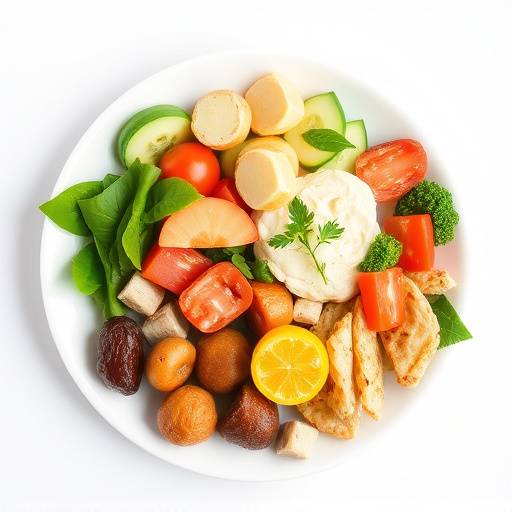
Carbohydrates: The Energy Source
Carbohydrates are the body's primary source of energy. They are broken down into glucose, which fuels our cells, tissues, and organs. Choosing complex carbohydrates over simple sugars is crucial for sustained energy and overall health. Examples include whole grains, fruits, and vegetables.
- Complex Carbohydrates: Whole grains (brown rice, quinoa, oats), legumes (beans, lentils), starchy vegetables (sweet potatoes, corn).
- Simple Carbohydrates: Fruits, refined grains (white bread, pasta), sugary drinks. It's recommended to limit intake of simple carbohydrates.
Proteins: The Building Blocks
Proteins are essential for building and repairing tissues, producing enzymes and hormones, and supporting immune function. They are composed of amino acids, some of which our bodies cannot produce and must obtain from food sources. Lean meats, poultry, fish, eggs, dairy products, beans, and nuts are excellent sources of protein.
- Animal Sources: Chicken breast, salmon, eggs, Greek yogurt, lean beef.
- Plant Sources: Lentils, chickpeas, tofu, quinoa, chia seeds.
Fats: The Essential Component
Fats are crucial for hormone production, cell structure, and the absorption of fat-soluble vitamins (A, D, E, and K). Choosing healthy fats, such as unsaturated fats, over saturated and trans fats is essential for heart health. Good sources of healthy fats include avocados, nuts, seeds, and olive oil. Visit our office on West Hubbard Street for a personalized nutrition consultation.
- Unsaturated Fats: Avocados, olive oil, nuts (almonds, walnuts), seeds (flaxseed, chia seeds), fatty fish (salmon, mackerel).
- Saturated and Trans Fats: Found in processed foods, red meat, and fried foods. Limiting intake is crucial.
Micronutrients: Vitamins and Minerals
Micronutrients are vitamins and minerals that are essential for various bodily functions, including immune function, bone health, and energy production. While needed in smaller amounts than macronutrients, they are equally vital for maintaining optimal health. A diverse diet rich in fruits, vegetables, and whole foods is the best way to ensure adequate micronutrient intake.
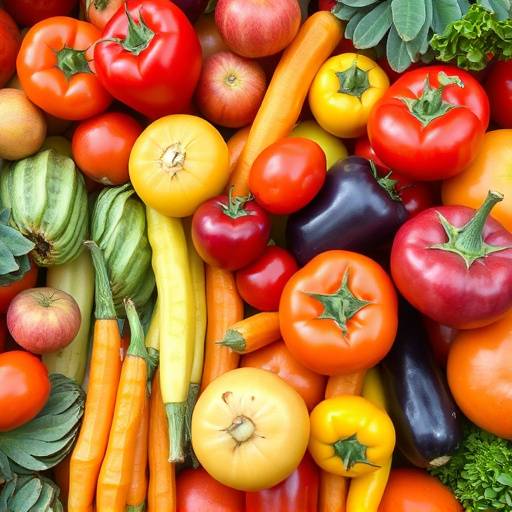
Key Vitamins and Their Sources
| Vitamin | Function | Food Sources |
|---|---|---|
| Vitamin A | Vision, immune function, cell growth | Sweet potatoes, carrots, spinach, kale |
| Vitamin C | Immune function, antioxidant, collagen production | Citrus fruits (oranges, lemons), strawberries, bell peppers |
| Vitamin D | Calcium absorption, bone health, immune function | Fatty fish (salmon, tuna), fortified dairy products, sunlight |
| Vitamin E | Antioxidant, cell protection | Nuts, seeds, vegetable oils, spinach |
| Vitamin K | Blood clotting, bone health | Leafy green vegetables (kale, spinach, broccoli) |
| B Vitamins | Energy production, nerve function | Whole grains, meat, eggs, legumes |
Key Minerals and Their Sources
| Mineral | Function | Food Sources |
|---|---|---|
| Calcium | Bone health, muscle function, nerve function | Dairy products, leafy green vegetables, fortified foods |
| Iron | Oxygen transport, energy production | Red meat, spinach, lentils, fortified cereals |
| Potassium | Blood pressure regulation, muscle function | Bananas, sweet potatoes, spinach, beans |
| Magnesium | Muscle and nerve function, blood sugar control | Nuts, seeds, whole grains, leafy green vegetables |
| Zinc | Immune function, wound healing, cell growth | Meat, seafood, nuts, seeds |
Developing Healthy Eating Habits
Creating sustainable, healthy eating habits is a journey, not a destination. It involves making mindful choices, listening to your body's cues, and focusing on whole, unprocessed foods. At Vitality Hub, our registered dietitians, including Sarah Chen, RDN, LDN, offer personalized guidance to help you establish healthy eating patterns that fit your lifestyle and preferences.

- Mindful Eating: Pay attention to your hunger and fullness cues. Eat slowly and savor each bite.
- Portion Control: Be mindful of portion sizes to avoid overeating. Use smaller plates and bowls.
- Hydration: Drink plenty of water throughout the day. Aim for at least 8 glasses.
- Meal Planning: Plan your meals and snacks in advance to make healthier choices easier.
- Limit Processed Foods: Reduce your intake of processed foods, sugary drinks, and unhealthy fats.
- Cook at Home: Preparing your own meals allows you to control ingredients and portion sizes.
- Read Food Labels: Pay attention to the nutrition information and ingredients list.
"Healthy eating is about nourishing your body with whole, nutrient-rich foods that support your overall well-being," says Sarah Chen, RDN, LDN, Vitality Hub.
Sample Meal Plans
Here are a couple of sample meal plans to illustrate how to incorporate the principles of healthy eating into your daily routine. These plans are just examples and can be adjusted to fit your individual needs and preferences. For a more personalized plan, contact Vitality Hub at (312) 555-WELL or visit us at 444 W. Hubbard St., Chicago, IL 60654, to schedule a consultation.
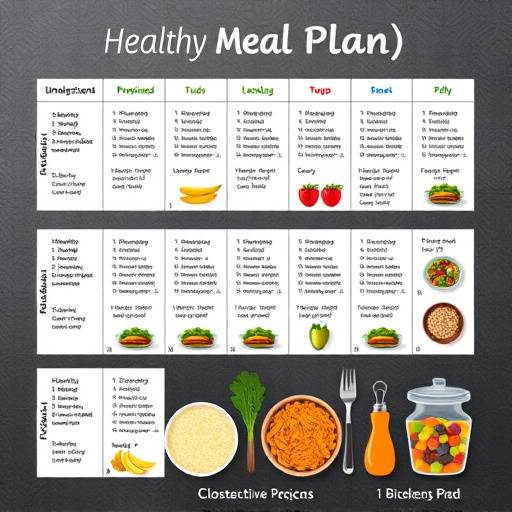
Sample Meal Plan 1: Balanced Day
- Breakfast: Oatmeal with berries and nuts (Provides fiber, antioxidants, and healthy fats.)
- Lunch: Salad with grilled chicken or chickpeas, mixed greens, vegetables, and a light vinaigrette dressing. (Provides lean protein, vitamins, and minerals.)
- Dinner: Baked salmon with roasted vegetables (broccoli, carrots, and sweet potatoes). (Provides omega-3 fatty acids, vitamins, and fiber.)
- Snacks: Apple slices with almond butter, Greek yogurt with fruit. (Provides healthy fats, protein, and vitamins.)
Sample Meal Plan 2: Vegetarian Delight
- Breakfast: Smoothie with spinach, banana, protein powder, and almond milk. (Provides protein, vitamins, and minerals.)
- Lunch: Quinoa salad with black beans, corn, avocado, and a lime dressing. (Provides plant-based protein, fiber, and healthy fats.)
- Dinner: Lentil soup with whole-grain bread. (Provides plant-based protein, fiber, and complex carbohydrates.)
- Snacks: Handful of almonds, carrots with hummus. (Provides healthy fats, protein, and fiber.)
Remember to adjust portion sizes based on your individual calorie needs and activity level. Always consult with a healthcare professional or registered dietitian before making significant changes to your diet. Vitality Hub is committed to supporting your nutrition journey. Contact us today!